
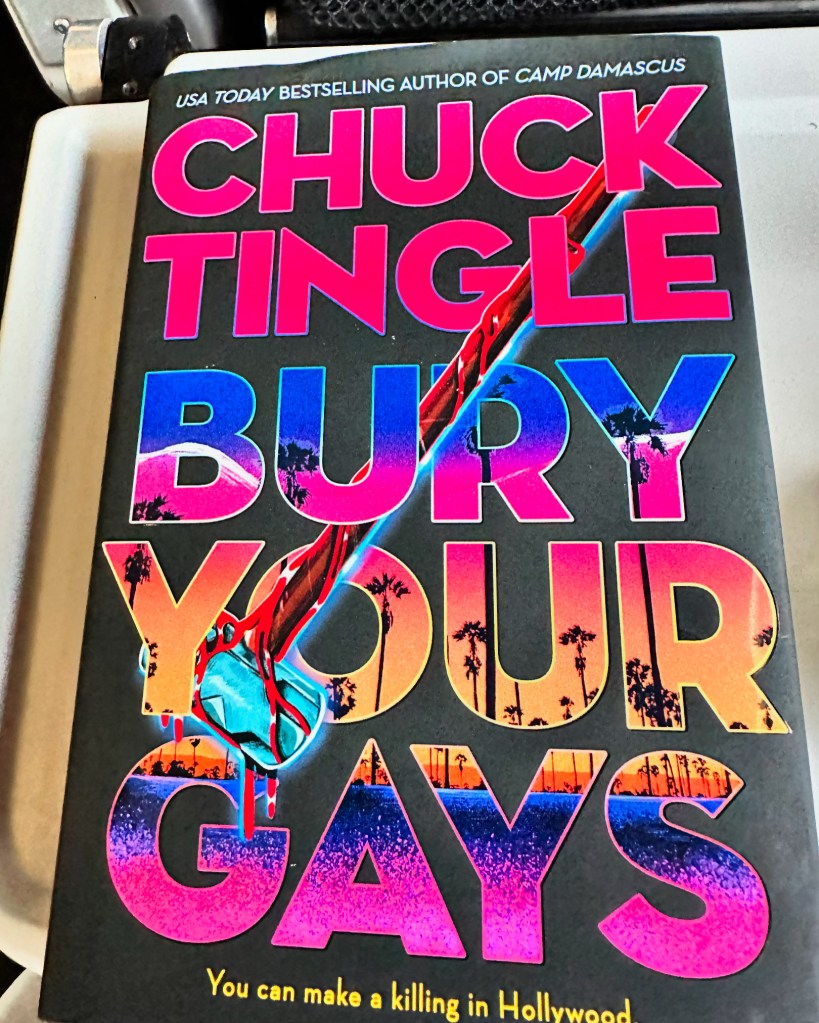
Chuck Tingle’s Bury Your Gays has been generating buzz as one of the standout horror books of the year. While horror isn’t typically my go-to genre, the intriguing premise and strong social commentary drew me in. The novel delivers a sharp blend of satire and scares, tackling themes like representation and exploitation in the entertainment industry. Although it starts off strong with compelling characters and a gripping storyline, the chaotic ending left me with mixed feelings. Here’s a closer look at what makes this book worth reading and where it falls short.
Chuck Tingle’s Bury Your Gays starts off as a gripping and unapologetically bold commentary on Hollywood’s treatment of LGBTQ+ characters. The story follows Misha, a rising star in the entertainment industry, as he faces the literal and metaphorical horrors of a system that thrives on exploitation. At first, I found myself thoroughly engrossed in the premise—Tingle’s ability to combine sharp social satire with horror elements was masterful. The first half of the book is an intense, thought-provoking exploration of the industry’s darker underbelly, with a biting critique of outdated tropes like the titular “Bury Your Gays.”
However, as the story progresses, the narrative starts to unravel. What begins as a tightly focused and emotionally resonant tale shifts into chaotic territory towards the end. The pacing accelerates, and plot threads feel scattered, making it hard to stay emotionally connected to Misha’s journey. The introduction of multiple subplots, while ambitious, detracts from the core themes, leaving the final act feeling rushed and disjointed.
One of my biggest frustrations was the missed opportunity to delve deeper into Misha’s past. While we get hints of his struggles and formative experiences, they remain underexplored, robbing the story of a layer of emotional depth that could have elevated it further. Misha’s history feels like a puzzle with too many missing pieces, and I found myself wishing Tingle had taken the time to flesh out this aspect of his character.
That said, Bury Your Gays still has its strengths. Tingle’s signature wit and incisive critique of Hollywood shine through, and the horror elements are as creative as they are unsettling. Fans of meta horror and LGBTQ+ representation in fiction will appreciate the book’s ambitious approach, even if the execution falters in the final stretch.
Overall, Bury Your Gays is an entertaining, if uneven, read. It’s a bold and necessary addition to the horror genre, but it left me wanting more—particularly when it came to exploring the protagonist’s backstory. Despite its flaws, it’s worth picking up for its unique voice and the important conversations it sparks.

 TheIndianBookworm
Leave a comment